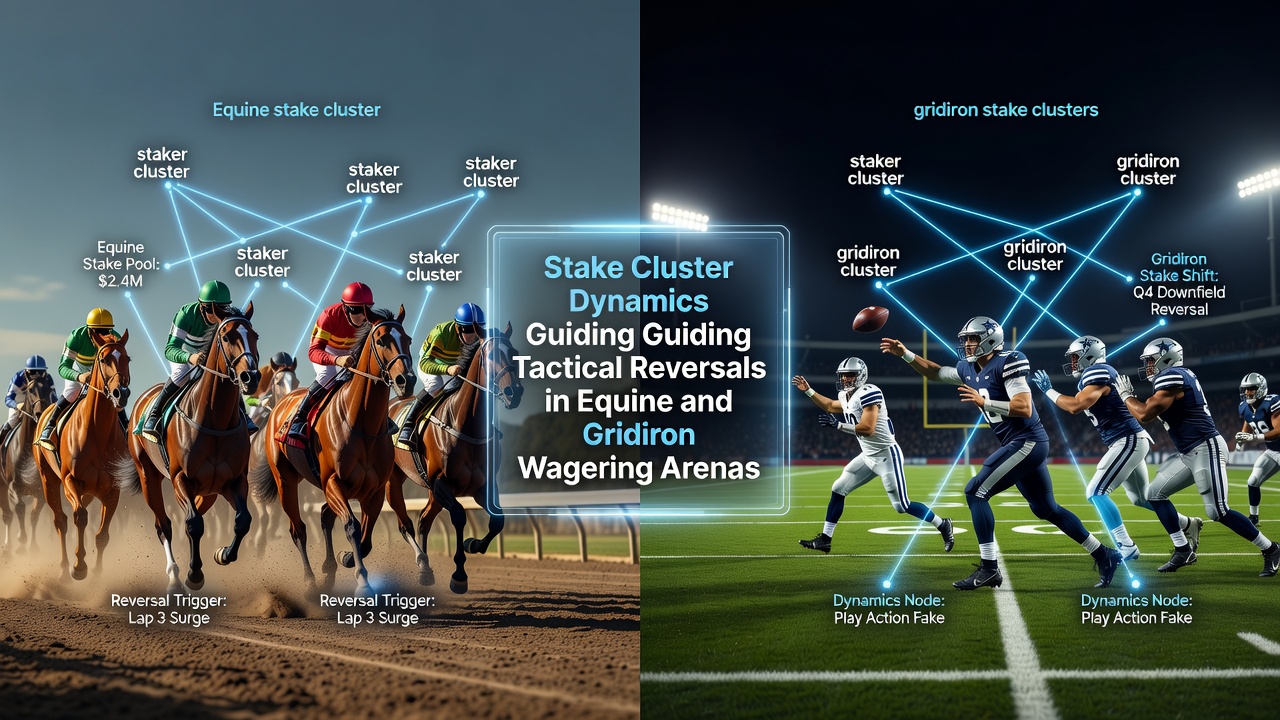
Stake Clusters and Tactical Reversals in Equine and Gridiron Exchange Markets
Stake clusters form when large volumes of bets concentrate at specific price levels on exchange platforms, and observers note these concentrations often signal potential entry or exit points for position reversals in both equine and gridiron wagering. Data from October 2026 shows heightened activity in these clusters during live racing events and American football games, where bettors adjust from backing to laying or the reverse as momentum shifts occur on the field or track.
Formation of Stake Clusters in Live Markets
Clusters develop through repeated order placements at narrow price bands, and researchers tracking exchange data find these patterns emerge most clearly in high-liquidity events such as major thoroughbred races or NFL matchups. When multiple participants target the same decimal odds, the resulting depth creates visible walls that influence subsequent order flow, allowing traders to anticipate where reversals might gain traction without needing to initiate new positions from scratch.
Platform records indicate clusters in equine markets tend to build around fractional odds tied to recent form or pace projections, whereas gridiron clusters align more closely with in-game statistics like yardage gained or time remaining. Those monitoring these layers report that reversals become viable once a cluster absorbs initial volume and begins to thin, creating windows where existing positions can flip profitably.
Equine Market Applications
In horse racing, stake clusters frequently appear in the minutes before the off as paddock information circulates, and studies of exchange order books reveal that clusters near the favorite often precede tactical reversals when late money enters at slightly longer prices. Bettors who track these formations can identify moments when laying into a cluster offers better value than continuing to back, particularly when the market shows signs of overreaction to a single piece of information.
Examples from October 2026 meetings demonstrate clusters forming around mid-race pace predictions, where early backing pressure builds one layer and later laying orders create a secondary band. Reversals executed between these bands capitalize on the liquidity provided by the cluster itself, reducing slippage compared with attempts to reverse in thinner sections of the book.
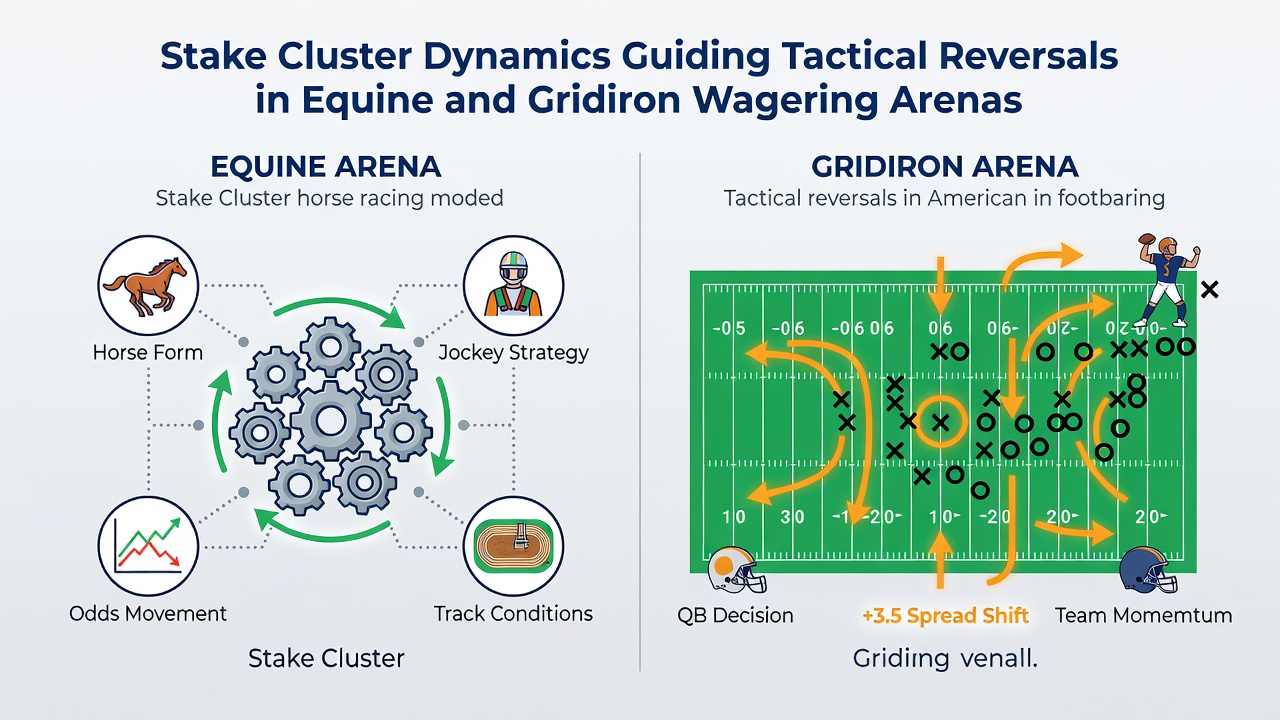
Gridiron Market Dynamics
American football exchanges display stake clusters that shift rapidly with each play, and figures released by the New Jersey Division of Gaming Enforcement highlight increased cluster activity during prime-time games in the 2026 season. These clusters often center on quarter-specific totals or player performance lines, where concentrated backing at one price prompts counter-orders that create reversal opportunities once the initial volume clears.
Traders monitoring gridiron depth pools note that clusters near key numbers such as three or seven points frequently guide position flips, especially when in-game metrics diverge from pre-match expectations. A cluster that forms around a favored team’s moneyline after an early score can thin quickly if the opponent responds, enabling reversals that lock in gains from the original backing side before the next drive begins.
Interplay Between Equine and Gridiron Patterns
Although the underlying events differ, stake cluster behavior shares structural similarities across both arenas, and industry reports from the Australian wagering sector indicate comparable reversal tactics succeed when participants read cluster absorption rates rather than isolated price movements. In both cases, the presence of layered depth provides the liquidity needed to execute reversals at scale while minimizing market impact.
October 2026 data further shows that cross-market observers sometimes reference equine cluster timing as a proxy for understanding gridiron flow, given the shared emphasis on pace and momentum. This comparative approach helps identify when a cluster in one arena is likely to exhaust its supporting volume and open reversal windows in the other.
Conclusion
Stake cluster dynamics continue to shape tactical reversals across equine and gridiron exchange markets, with October 2026 activity underscoring their role in guiding position management. Market participants who map these formations gain structured insight into when reversals align with existing liquidity, supporting more precise execution in both racing and football environments.