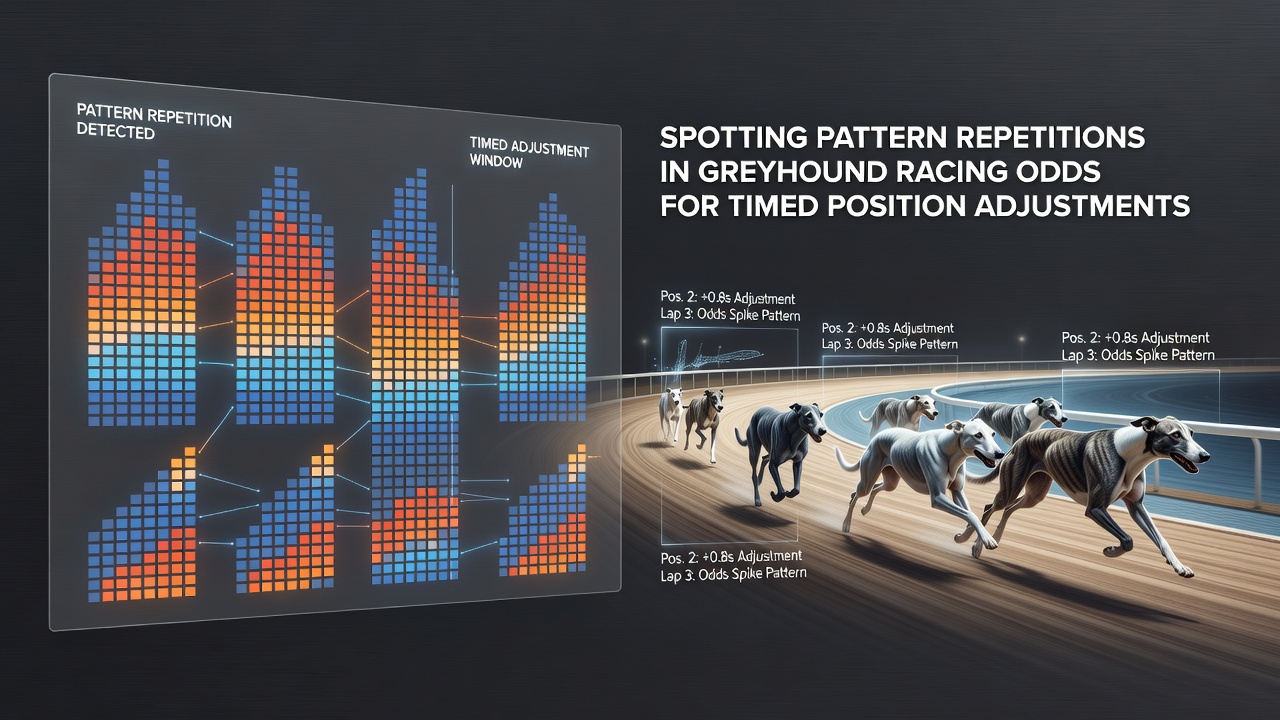
Spotting Pattern Repetitions in Greyhound Racing Odds for Timed Position Adjustments
Market participants track repetitive structures in greyhound racing odds because these formations often signal optimal moments for position adjustments on exchange platforms, and data from recent meetings shows consistent sequences that repeat across different tracks and times of day.
Recognizing Core Elements of Odds Behavior
Greyhound events generate layered price movements driven by public wagers, trainer reports adn late information which creates visible clusters that observers identify through repeated sequences, and these clusters tend to appear in similar intervals before the traps open while traders monitor volume spikes that confirm the pattern strength.
Tracking Historical Repetitions Across Meetings
Analysis of June 2026 race data reveals that certain odds movements follow predictable cycles particularly in sprint distances where early market support for trap one or trap six dogs produces mirrored corrections within fifteen minutes of the off, and researchers note that these cycles become more pronounced when multiple meetings run simultaneously because liquidity flows between venues create overlapping signals that experienced participants use to time entries and exits.
Applying Data Filters for Pattern Confirmation
Software tools aggregate live and historical feeds which highlight repeating formations such as initial drift followed by sharp support and subsequent consolidation, while filters based on time of day and trap bias allow users to isolate high-probability sequences, and figures from Australian wagering records indicate that pattern confirmation rates improve when traders combine volume data with pace ratings rather than relying on price alone.
One documented sequence shows odds on a middle trap greyhound drifting two points before attracting steady back volume that reverses the move within eight minutes, and this repetition appeared across four consecutive meetings at the same venue which allowed position adjustments to capture the reversal window each time.
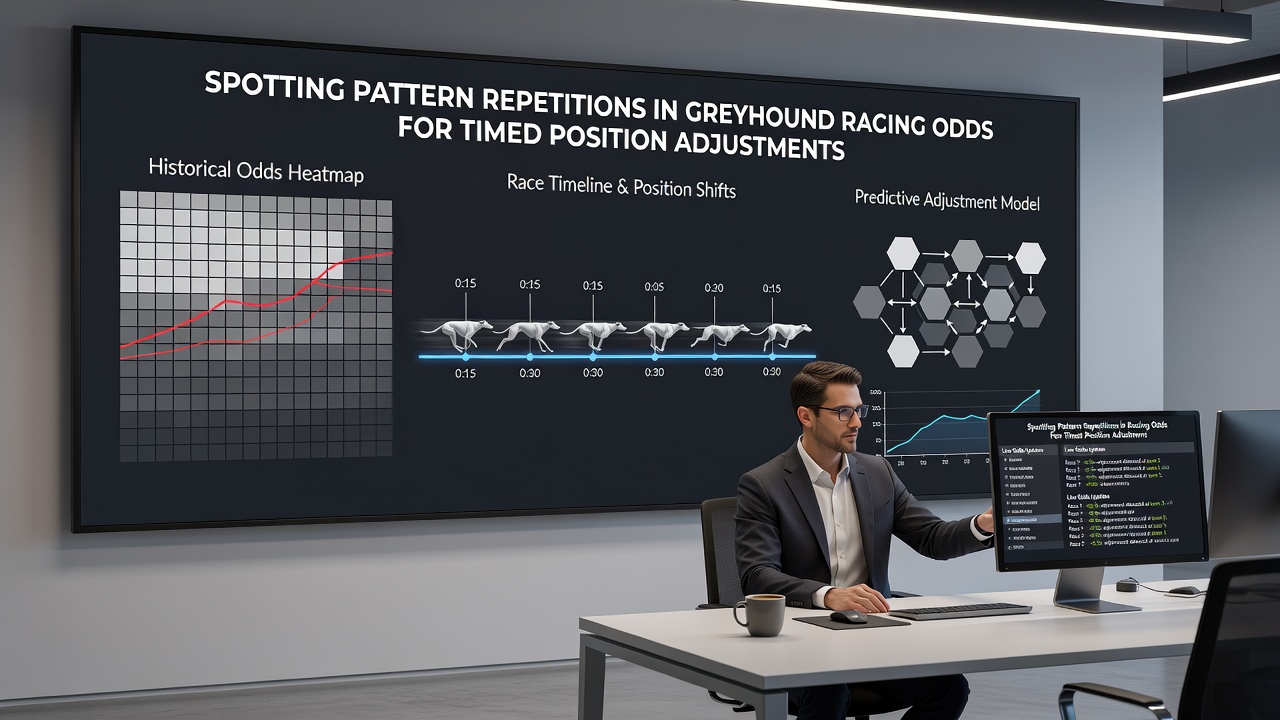
Timing Adjustments Based on Detected Sequences
Position adjustments succeed when traders align entries with the second or third repetition of a confirmed pattern because the first instance often lacks sufficient liquidity while later occurrences attract deeper order flow that supports larger trades, and data collected during the 2026 season shows average holding periods shortening from twelve minutes to under seven when participants wait for pattern confirmation rather than acting on initial signals.
Regulatory reports from Racing and Wagering Western Australia highlight increased scrutiny of automated pattern recognition systems which influence market depth, yet the same documents confirm that manual interpretation of repetitive structures remains a core strategy among professional traders who combine visual inspection with algorithmic alerts.
Integrating Multiple Data Streams
Successful identification combines odds history with sectional times and trap draw statistics which together form a multi-layered view of likely repetitions, and studies published by the University of Melbourne School of Computing and Information Systems demonstrate that models incorporating these variables achieve higher accuracy in forecasting adjustment windows compared with price-only approaches.
Market depth layers frequently reveal hidden repetitions when viewed alongside total matched volume because large unmatched orders often sit at key price points that repeat across similar race profiles, and participants who monitor these layers report improved timing for switching between back and lay positions during the final ten minutes before each race.
Conclusion
Pattern repetition analysis in greyhound racing odds provides structured opportunities for timed position adjustments when traders combine historical sequences with real-time volume and regulatory context from diverse jurisdictions, and continued development of monitoring tools during 2026 supports more precise execution across exchange platforms while maintaining compliance with evolving oversight requirements.