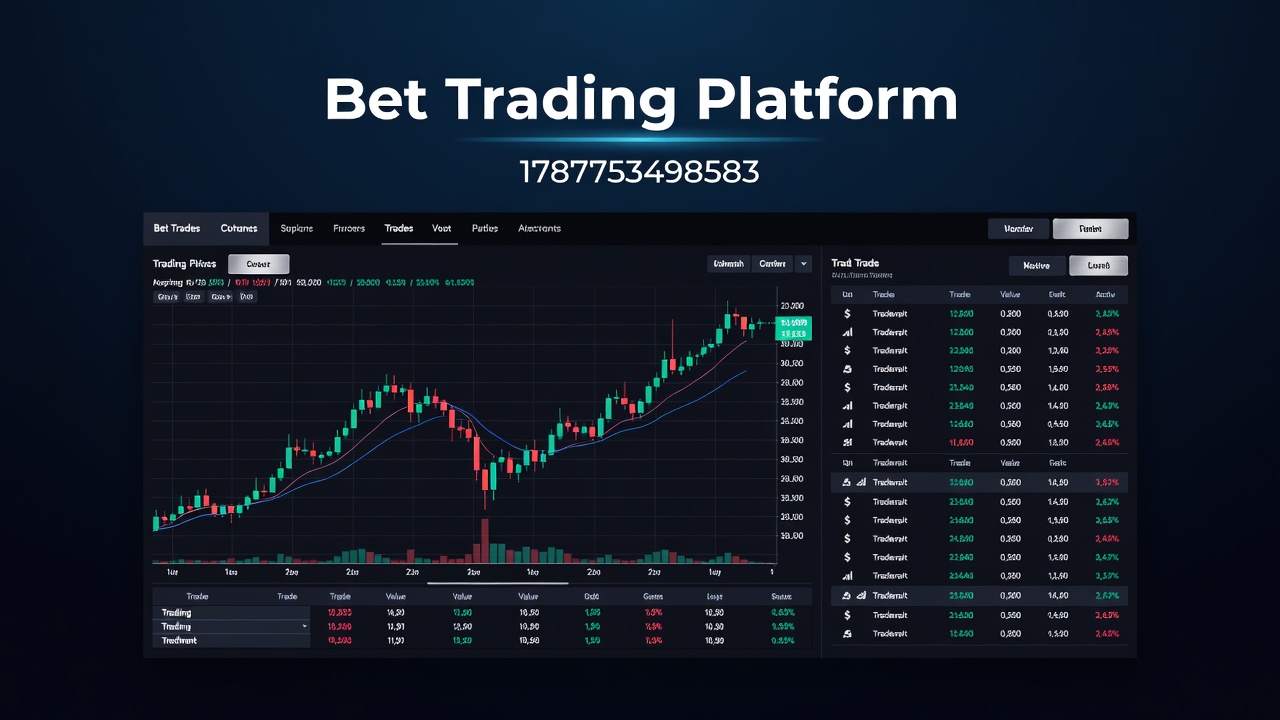
Bet Trading Platforms Navigate Regulatory Shifts in August 2026
Bet trading platforms operate as digital marketplaces where participants buy and sell positions on sporting and racing events much like securities on an exchange, and data from multiple jurisdictions shows steady adoption through the first half of 2026. These systems rely on matched betting mechanics in which one user’s back position pairs directly with another user’s lay position, creating a zero-sum environment without traditional bookmaker margins. Regulatory updates announced in several regions during August 2026 have required operators to enhance transparency around liquidity pools and order-matching algorithms while maintaining existing tax frameworks on gross gaming revenue.
Core Mechanics of Bet Trading Platforms
Users place back bets to support an outcome or lay bets to oppose it, and the platform automatically matches compatible orders according to price and volume priority. Liquidity depth at each price point determines how quickly large positions can be filled, while real-time price ladders display available stakes at incremental odds increments. Software interfaces allow traders to place, modify, or cancel orders within milliseconds, and automated bots execute strategies based on predefined triggers such as score changes or time remaining. Observers note that successful participants monitor multiple markets simultaneously because correlated events in football and horse racing often create layered opportunities across depth pools.
Market Activity Through Mid-2026
Handle figures released by the Nevada Gaming Control Board indicate continued double-digit growth in exchange-style wagering compared with the same period in 2025, while the Alcohol and Gaming Commission of Ontario reported a 14 percent rise in matched-bet volumes for the second quarter. These increases coincide with expanded mobile applications that integrate live streaming and instant deposit functions, allowing participants to react to in-play developments without leaving the platform. Volume clusters around major European football fixtures and North American horse racing meetings have produced noticeable spikes in order flow, particularly during stoppage time and final furlongs where odds movements accelerate.

Technological Infrastructure Supporting August 2026 Operations
Modern platforms employ distributed server networks that synchronize order books across geographic regions to minimize latency for users in different time zones. Encryption protocols protect user data and transaction records, while application programming interfaces enable third-party developers to build custom analytics dashboards that track historical price paths. Machine-learning models now assist in identifying potential liquidity gaps before they appear on the public ladder, and risk-management engines automatically suspend markets when external data feeds indicate integrity concerns. These upgrades have allowed platforms to handle record concurrent user loads during peak August 2026 events without order-matching delays exceeding 50 milliseconds.
Regulatory Developments Affecting Global Operators
Authorities in Australia and several Canadian provinces introduced new disclosure requirements in August 2026 that compel operators to publish average matched volumes and settlement times for each major sport. The changes aim to give participants clearer visibility into market depth before they commit stakes, and early compliance reports suggest most licensed platforms met the deadlines without service interruptions. Industry associations such as the World Lottery Association have published guidance documents encouraging standardized reporting formats so that cross-border comparisons become more reliable for researchers studying trading patterns. Meanwhile, academic papers from institutions including the University of Sydney’s gambling research unit have examined how these transparency measures influence participant behavior across different regulatory environments.
Practical Trading Patterns Observed in 2026
Traders frequently switch positions mid-event when fresh information alters implied probabilities, and depth-chart analysis reveals recurring entry and exit windows around half-time in football or post-weigh-in announcements in racing. Scalping strategies that exploit small, rapid price movements before the official start time remain common, while larger position flips occur when liquidity surges allow traders to reverse exposure at favorable prices. Data from exchange operators shows that multi-leg builders combining several back-lay pairs now account for a growing share of total matched volume, reflecting user demand for more complex risk profiles within single transactions.
Conclusion
Bet trading platforms continue to evolve under the combined pressures of technological advancement and regulatory refinement, and August 2026 figures confirm sustained user engagement across established and emerging markets. The combination of real-time order matching, enhanced compliance tools, and diversified product offerings has created an environment in which participants can execute sophisticated strategies while operators maintain operational resilience. Future reporting cycles will determine whether the transparency mandates introduced this summer produce measurable shifts in trading volumes or simply standardize existing practices across jurisdictions.