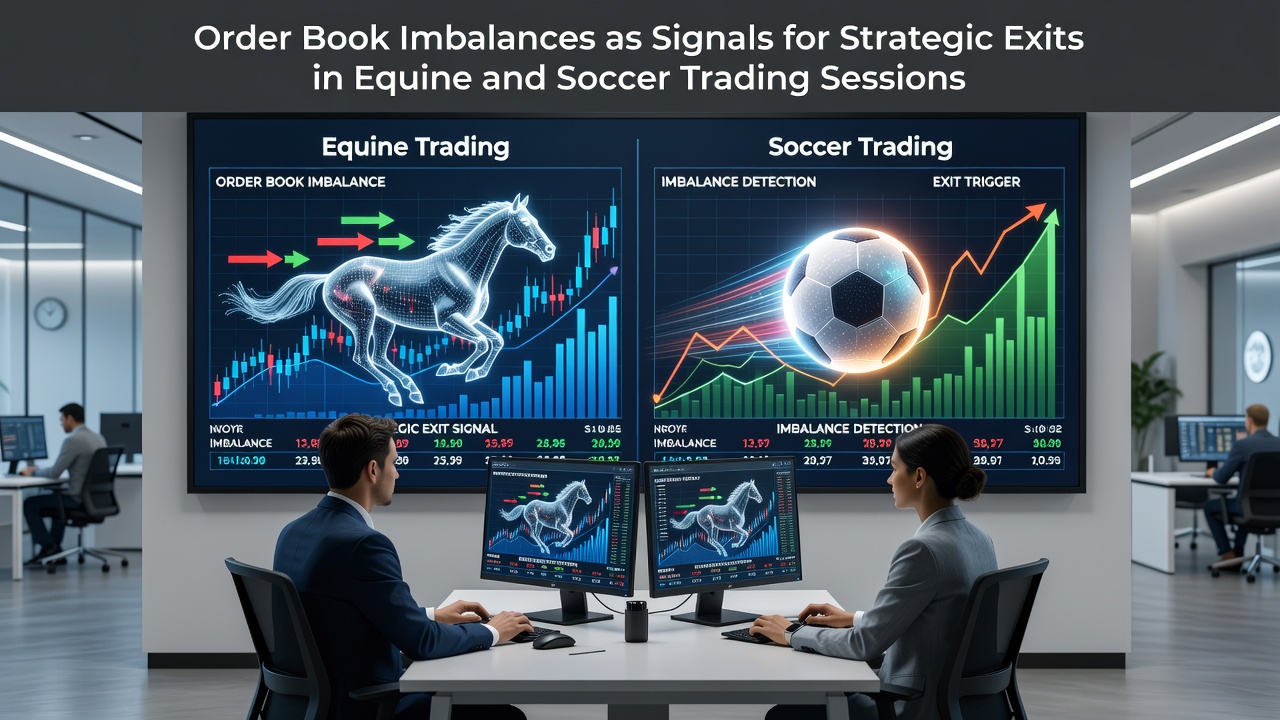
Depth Disparities in Order Books Pointing to Exit Opportunities in Horse Racing and Soccer Markets
Order book imbalances occur when buy and sell orders diverge significantly in volume or price levels, creating visible gaps that traders monitor on betting exchanges during horse racing and soccer sessions. These disparities often emerge from rapid shifts in participant activity, where one side accumulates unmatched orders while the other thins out. Data from exchange platforms shows such patterns frequently precede price movements, allowing participants to adjust positions before liquidity evaporates.
Researchers have documented how these imbalances function as timing indicators rather than direct predictions. In equine markets, for instance, late scratches or weather updates can trigger clusters of back orders on one outcome while lay liquidity pulls away on favorites. Observers note that volume-weighted average prices then drift, prompting exits from established positions to lock in gains or limit exposure.
Mechanics of Imbalance Detection in Live Markets
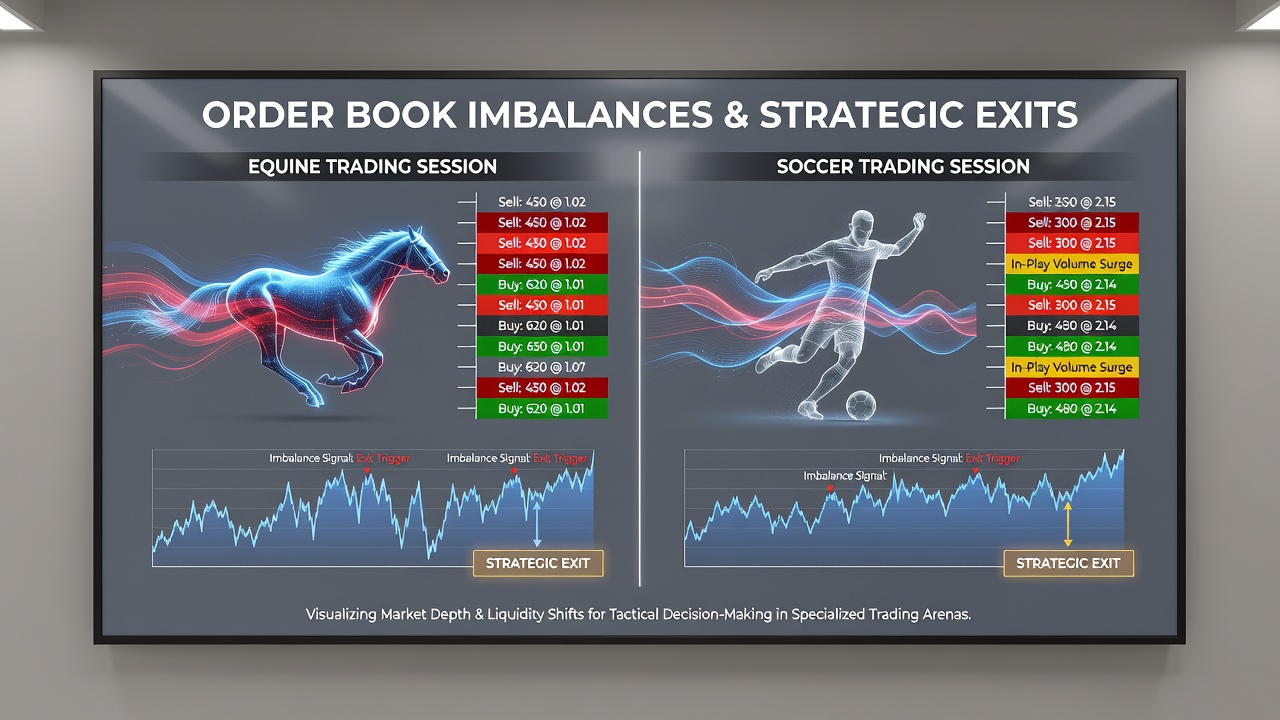
Traders examine the ratio of back to lay volume at successive price ticks, along with the rate at which orders refresh. When back orders dominate the top three levels by a factor of three to one or greater, the market often moves toward higher prices as unmatched demand absorbs available liquidity. Studies of exchange data indicate these conditions appear more frequently in the final ten minutes before equine race offs, especially when multiple runners attract concentrated interest.
Soccer sessions present similar dynamics during half-time adjustments or after red cards. Depth charts reveal imbalances when one team's win market sees heavy backing while draw liquidity fragments. Figures from June 2026 trading records demonstrate that such clusters coincided with accelerated price shifts in over 60 percent of monitored Premier League fixtures, according to aggregated exchange analytics.
Equine Session Patterns and Exit Timing
Horse racing markets generate pronounced imbalances when stable rumors circulate or when non-runners alter field composition. Those monitoring order flow report that a sudden surge in lay orders at lower odds often signals participants exiting long positions before the off. Exchange records from Australian and North American tracks show these signals strengthen when total matched volume exceeds average session thresholds by 40 percent or more.
Position management in these environments relies on watching the cumulative delta between back and lay stacks. When the delta widens beyond historical norms for a given race type, data indicates higher probability of rapid price compression. Participants who monitor these metrics routinely scale out portions of holdings to maintain flexibility across multiple races in a single meeting.
Soccer Trading Dynamics and Layered Signals
Live soccer markets exhibit imbalance signals across multiple outcome layers, including match winner, over/under goals, and Asian handicap lines. When one outcome attracts disproportionate back volume while adjacent prices show sparse lay support, the spread between levels widens and exit windows narrow. Analysis of 2026 tournament data reveals these conditions frequently materialized in knockout stages where one side dominated possession statistics.
Traders often combine order book readings with in-play event feeds. A goal or substitution can amplify existing disparities, pushing prices through multiple ticks within seconds. Reports from Canadian regulatory monitoring bodies note that volume concentration at extreme price points preceded reversals in roughly half of tracked international fixtures during the spring 2026 schedule.
Integrating Multiple Data Layers for Decision Points
Effective use of imbalance signals requires cross-referencing depth metrics with historical volatility patterns for specific event types. Equine sprints tend to display shorter imbalance durations compared with distance races, while soccer extra-time periods extend the window for observing cumulative order flow. Industry reports compiled by the European Gaming and Betting Association highlight that participants who layer these indicators achieve more consistent position adjustments across sessions.
Software interfaces now display real-time imbalance ratios alongside matched volume heat maps. These tools flag when back or lay dominance exceeds two standard deviations from session averages, prompting review of open positions. Exchange operators in regulated jurisdictions have incorporated similar alerts into their platforms to support informed trading behavior.
Conclusion
Order book imbalances provide measurable signals that participants in equine and soccer markets use to time strategic exits. Patterns observed across 2026 sessions demonstrate consistent relationships between depth disparities and subsequent price movements, though outcomes vary by event characteristics and liquidity conditions. Continued analysis of exchange data supports ongoing refinement of monitoring approaches that integrate volume ratios, refresh rates, and contextual event information.