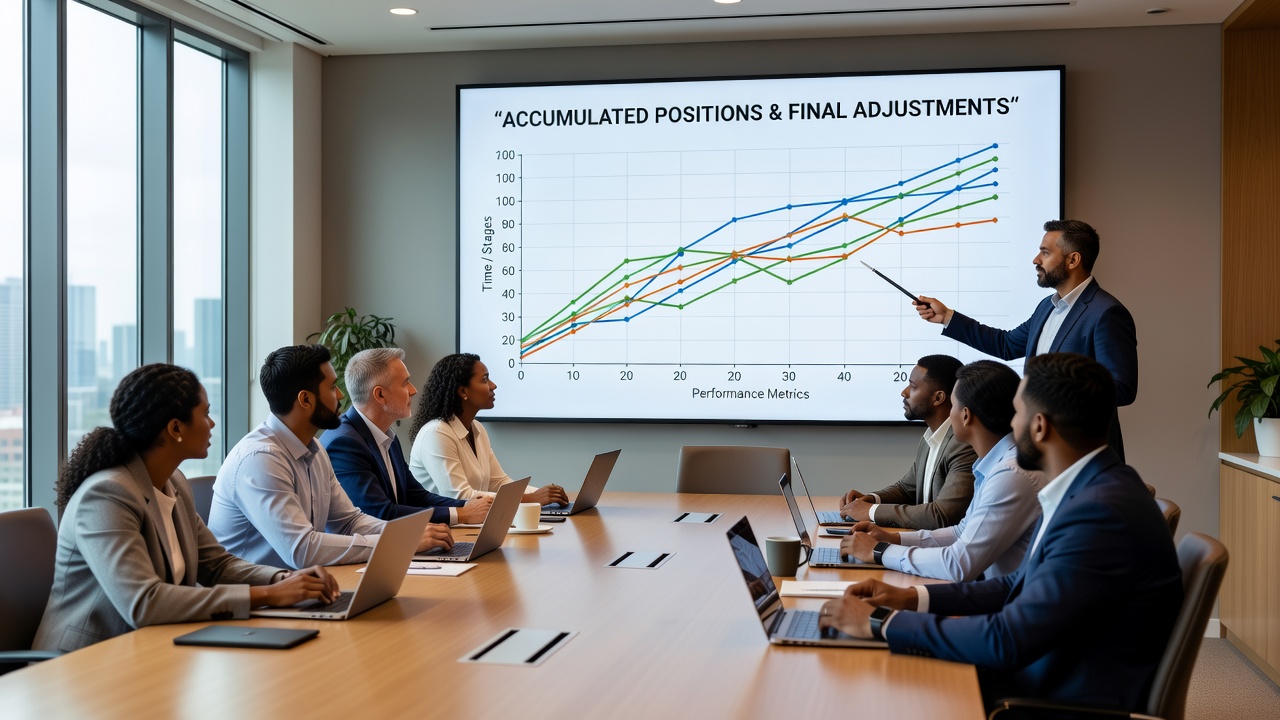
Accumulated Positions and Their Influence on Closing Adjustments in Endurance and Team Event Markets
Market participants in endurance competitions and team sports build holdings gradually across extended sessions, and those layered exposures often dictate the scale of final position tweaks when events near their conclusions. Data from major exchanges shows that initial entries taken early in cycling tours or multi-stage races create baseline commitments that later require precise offsets once fatigue patterns emerge in the closing kilometers.
Position Layers in Prolonged Athletic Markets
Endurance formats such as marathons, iron-distance triathlons, and grand tour cycling stages allow traders to establish holdings over hours rather than minutes, which means early back or lay stakes accumulate volume that influences liquidity depth near the finish. Figures released by exchange operators indicate that positions opened in the first half of these contests frequently account for more than sixty percent of total matched volume by the time leaders approach the final checkpoints, forcing participants to manage residual exposure through targeted closing trades.
Observers note that volume clusters form around key milestones like feed zones or intermediate sprints, and those clusters in turn shape the available exit windows during the decisive stages. Because endurance markets extend across long durations, accumulated positions create both opportunities and constraints when sudden breaks or mechanical issues alter projected outcomes in the late phases.
Team Event Dynamics and Collective Market Behavior
Team sports such as football, basketball, and rugby present different accumulation patterns because match flow divides into halves or quarters, yet traders still construct layered stakes across pre-match and in-play periods. Research from academic institutions tracking exchange data reveals that holdings built during opening periods often require rebalancing once tactical substitutions or disciplinary actions shift team probabilities in the second half.

Those adjustments become more pronounced when stoppage time extends or when scorelines remain tight, because the initial positions taken before kickoff now sit within deeper liquidity pools that allow finer calibration. Data indicates that traders holding multi-leg exposures across related team markets frequently execute final switches within the last ten minutes to align net risk with updated score probabilities.
October 2026 Market Observations
During October 2026 several high-profile endurance and team contests illustrated these mechanics in real time, with exchange records showing elevated position flip activity once leaders entered the final twenty percent of race distance or match time. According to reports compiled by the Canadian Sport and Gaming Review, volume surges in both cycling stage markets and football fixtures coincided with periods when accumulated holdings reached their highest concentration, prompting rapid offset activity.
Additional analysis from the Australian Gambling Research Centre highlights that team event markets experienced similar patterns, particularly when late goals or overtime periods forced participants to unwind earlier stakes through opposing trades. The timing of these reversals aligned closely with moments when market depth allowed execution without excessive slippage.
Practical Mechanics of Final Adjustments
Traders manage accumulated positions by monitoring order flow around critical junctures, then executing layered exits that reduce net exposure while preserving any advantageous pricing secured earlier. Because endurance and team contests generate continuous data streams, participants often stagger their closing moves across multiple price points rather than attempting single large offsets.
This staggered approach helps preserve liquidity for others in the same markets and reduces the risk of adverse price movement against remaining holdings. Exchange statistics from recent cycles confirm that participants who space their final adjustments across several minutes achieve more consistent outcomes than those attempting immediate full unwinds.
Conclusion
Accumulated positions in endurance and team event forums directly shape the scope and timing of closing adjustments because early volume commitments establish the baseline exposure that later market movements must accommodate. Records from October 2026 demonstrate consistent patterns where position layers influenced liquidity availability and dictated the precision required for terminal trades, underscoring the mechanical relationship between buildup phases and end-game calibration across these extended athletic markets.